Climbing Sculptures as Embodied Science
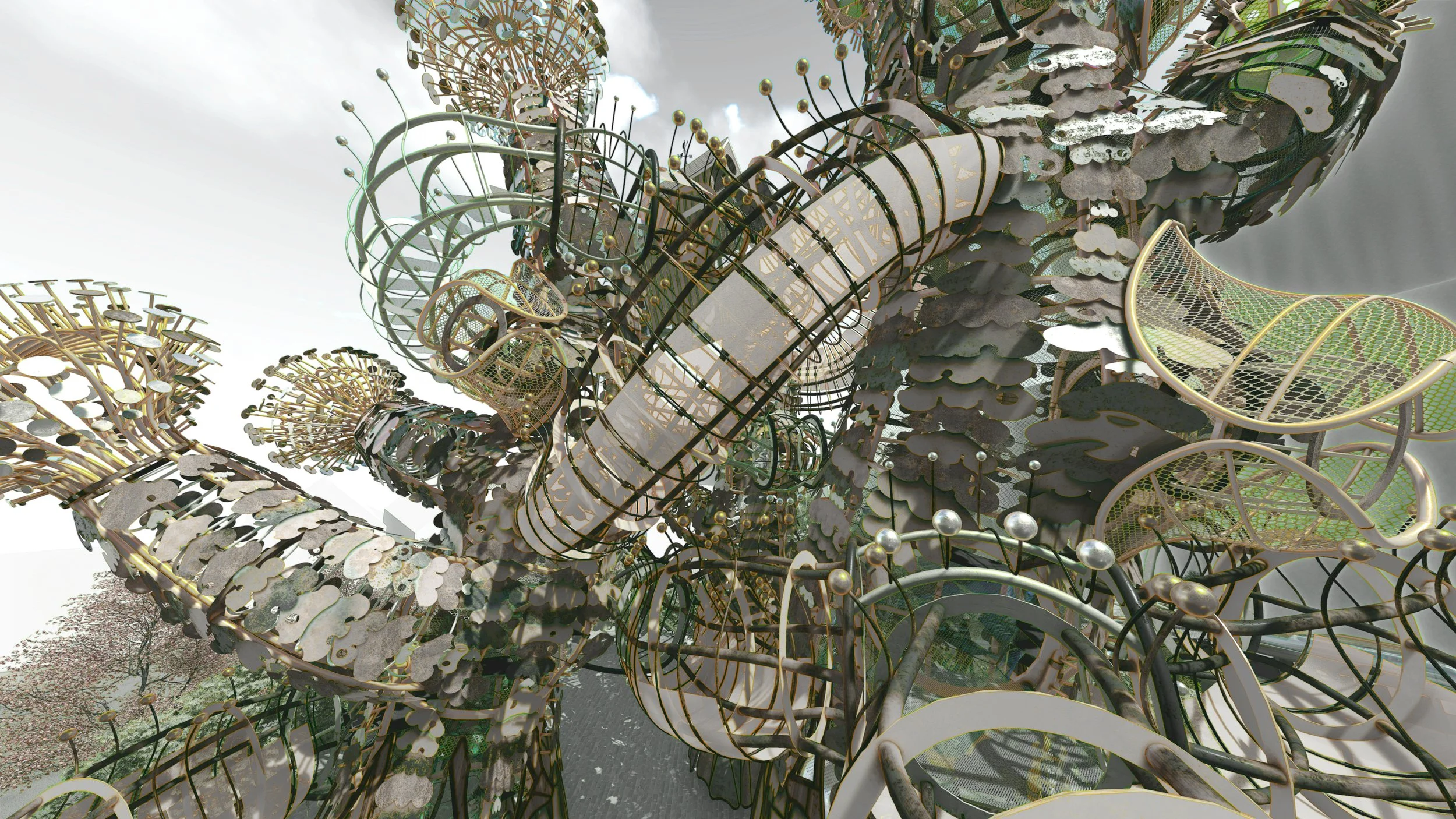
In a previous article, I argued that monumental climbing sculptures have untapped potential in collections-based museums. Long proven in children’s museums, they offer not only a bold centerpiece for active engagement but also a powerful way to align with a museum’s mission. Nowhere is this clearer than in the science museum, where climbing sculptures can embody the very spirit of scientific inquiry.
Science, at its heart, is a way of encountering the natural world: unexplained phenomena provoke curiosity, mysteries demand persistent inquiry, and hidden patterns invite recognition. Monumental climbing sculptures echo these same conditions, giving children and adults a lived experience of what it feels like to think scientifically.
In her study of the underlying motivation of scientists, Edith Cobb in The Ecology of Imagination in Childhood found that many accomplished scientists found their love of science in early childhood, as they adventurously tinkered, tested, and explored. These formative experiences opened their minds to the wonder of the natural world, and instilled a feeling of excitement for natural inquiry, a feeling they continued to pursue into adulthood. A climbing sculpture can provide just such a formative experience, and unlock this special kind of excitement.
Unusual: Discovery and Curiosity
Science begins when we encounter something unfamiliar. An odd result in the lab, a never-before-seen species, or the first glimpse of a distant galaxy. Each sparks the question, “What is this, and how does it work?”
A climbing sculpture provides that same jolting invitation to investigate. Unlike familiar playground structures, these environments are unusual and surprising. Entering one feels like stepping onto an alien planet. Children must orient themselves and probe the environment. Their curiosity is awakened.
Vast: Persistence and Exploration
Scientific inquiry is not quick. It takes time, repetition, and resilience to push through uncertainty. Progress comes through extended exploration.
Climbing sculptures, too, resist being “solved” in a single attempt. They should be vast, layered, and intricate. Children return again and again, each time uncovering nuances in pathways, hidden chambers, and unexpected connections. Like mapping the molecular structure of matter, the sculpture rewards persistence with the reveal of even-deeper complexity. It teaches that exploration is not a one-step event but a sustained, iterative practice.
Orderly: Pattern and Understanding
Science does not stop at curiosity or persistence; it seeks to uncover patterns and systems beneath apparent chaos.
A monumental climbing sculpture may appear overwhelming at first, but it is built on an underlying order. Pathways follow structural logic, supports repeat in rhythm, and modules form recognizable sequences. Children learn to read the environment, anticipate where passages will lead, and use previous discoveries to decipher new challenges. Like studying the interwoven ecology of the ocean floor, they begin to see how hidden order makes complexity intelligible.
Science Embodied
Taken together, these qualities – unusual, vast, and orderly – make climbing sculptures more than attractions. They are embodied laboratories of science. They cultivate curiosity, build persistence, and teach pattern recognition. In short, they give children a chance to practice the habits of mind that define scientific thinking – not through worksheets or lectures, but through bodily engagement. A climbing sculpture is not a distraction from science. It is science made climbable.
For science museums wrestling with declining visitation and the demand for active engagement, climbing sculptures represent more than a novel feature. They are mission-aligned tools that:
Signal to audiences that the museum is evolving boldly.
Provide donors with a compelling symbol of scientific discovery.
Give visitors, especially children, a lived experience of what it means to think like a scientist, which can motivate a lifetime of scientific interests.
By embracing climbing sculptures, science museums can make their mission tangible, unforgettable, and central to the visitor experience.